A Maker's Guide to Orange Coffee Typeface
My workspace is cluttered this morning. There's a roll of kraft paper, a stack of finished candles waiting to be labeled, and my laptop glowing with a dozen design files. Today's task is choosing the text for my spring-scented candle collection. I need a font that feels as warm and inviting as the vanilla-lavender fragrance inside the jars. After scrolling through my library, I stop on Orange Coffee. That's it. Its playful, handwritten charm immediately evokes the kind of cozy, personal touch my handmade brand is built on. I drag the cursor, type "Sunlit Meadow," and watch the words come alive.
The Heartwarming Personality of Orange Coffee
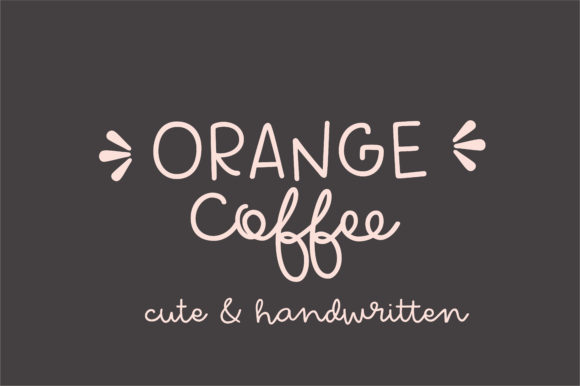
Orange Coffee isn't just a script font; it's a design partner with a distinct personality. The letterforms have a beautiful, flowing rhythm that feels genuinely handwritten—like a friendly note left on the kitchen counter. It carries a soft, joyful energy, perfect for projects that need to communicate warmth, creativity, and high-quality vibes without feeling overly formal or rigid. Its visual charm lies in that balanced casual elegance, making it incredibly versatile for everything from a whimsical birthday card to a sophisticated wedding welcome sign.
This mood translates directly to product presentation. When you use Orange Coffee on a product label or packaging, it elevates the perceived quality. It tells a customer that this item was made with care and attention, not just mass-produced. That emotional appeal is crucial for connecting with an audience that values authenticity. For shop branding, consistent use of this font across your labels, tags, and social media graphics builds a recognizable, cohesive brand identity that customers remember.
Bringing Orange Coffee to Life on Real Products
The true test of any font is seeing it work in real, tangible applications. For crafters and makers, this is where Orange Coffee truly shines.
For Physical Goods & Packaging
I use it primarily for my candle labels and boutique product tags. The script is perfectly suited for short, impactful phrases like the product name, a key ingredient, or a small motto. It’s a display font, so it’s best for titles and decorative wording rather than long paragraphs. For example, "Eucalyptus & Mint" on a candle jar or "Handmade with Love" on a tag adds an instant personal touch. The same principle applies to designing for mugs, tote bags, or shirts—a single word or short phrase in Orange Coffee becomes a standout feature.
Readability is key, especially for smaller items. On a 2-inch sticker or a detailed product label, Orange Coffee remains clear and legible because of its well-defined letter shapes. This is also important for cutting machine projects; the clean outlines make it a reliable choice for creating SVG files for Cricut or Silhouette to cut vinyl for signs or appliques.
For Stationery & Event Design
Another realm where this font excels is stationery. Designing a set of wedding invitations? Orange Coffee for the couple's names and the main headings on the invitation, welcome board, and program brings a beautiful, modern typography feel. Pair it with a simple, clean sans serif font for the body text detailing the time and location—this pairing creates a balanced, editorial design that is both stylish and easy to read.
The same approach works for greeting cards, flyers, and event posters. A birthday invitation with "Let's Party!" in this playful script sets the entire tone. For mockups and preview images in your online shop listings, using Orange Coffee on your digital templates for planner pages or printable wall art immediately showcases the premium, creative appeal of your download.
For Seasonal & Digital Creations
Seasonal craft designs often need a font that can adapt. Orange Coffee has that flexibility. For holiday tags, it can write "Merry & Bright" with a cheerful bounce. For a spring-themed event poster or a summer sale flyer, it injects fun without sacrificing professionalism. As a printable creator, incorporating it into your digital downloads—like quote art, recipe cards, or bookmark templates—ensures your designs feel current and engaging.
Practical Considerations for Creators
Before integrating any font into your commercial projects, a few practical checks are essential. With Orange Coffee, you’ll want to explore its included styles. Many quality handwritten fonts come with alternates, ligatures, and perhaps swashes, which are alternate letterforms that allow you to customize words for a more unique look. Using these can make your product names or logos even more distinctive.
Always confirm the file formats included and ensure they match your tools—whether you’re using design software for print, a cutting machine for vinyl, or a web platform for digital graphics. Also, verify the multilingual support if your market requires it. Most critically, review the commercial font licensing. As a seller of physical products, templates, printables, or merchandise, you need a license that permits this commercial use. This is a fundamental step for protecting your business and respecting the designer's work.
Font pairing, as mentioned, is a powerful tool. While Orange Coffee is stunning on its own, combining it with a neutral sans serif or a minimalist serif font for supporting text creates a harmonious design. This contrast ensures your main decorative text pops, while all necessary information remains utterly clear for your customer.
A Font That Feels Like a Creative Companion
Ultimately, choosing a font like Orange Coffee is about more than aesthetics; it's about choosing a design asset that aligns with your creative voice. It supports the story you want your products to tell. From the moment you type that first word onto a candle label mockup to the final product sitting in a customer’s home, this typeface contributes to an experience. It’s that subtle, powerful thread that ties your handmade brand together, making your shop materials, packaging, and digital downloads not just functional, but genuinely delightful.